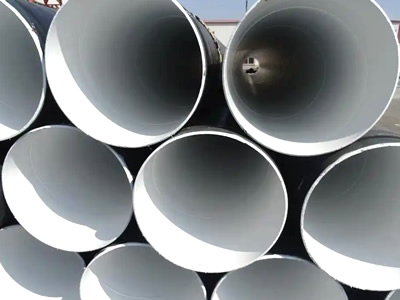
| PU anti-corrosion pipe: also known as polyurethane anti-corrosion pipe, is a pipeline with polyurethane as the anti-corrosion coating. The following is its related introduction:
Structural composition
It is generally composed of steel pipes, polyurethane anti-corrosion coating, and outer protective layer. Steel pipe is the main structure that carries the medium. Polyurethane anti-corrosion coating is a key component, which is coated on the surface of steel pipes through special processes. The outer protective layer is usually made of materials such as polyethylene, which plays a role in protecting the polyurethane coating and enhancing the overall structural performance.
Performance characteristics
Excellent insulation performance: Polyurethane has a low thermal conductivity, which can effectively reduce heat transfer. When used to transport media such as hot water and hot oil, it can reduce heat loss and save energy.
Good anti-corrosion performance: Polyurethane coating has good chemical stability, can resist the erosion of various chemical substances, has certain resistance to acids, alkalis, salts, etc., and can prevent steel pipes from rusting and corroding.
High mechanical strength: Polyurethane material has a certain degree of hardness and toughness, and the coating is tightly bonded to the steel pipe, which can withstand certain external impact and friction, and is not easily damaged during transportation and use.
Good sealing performance: Polyurethane can form a complete and dense coating during construction, effectively preventing external moisture, air, etc. from entering, avoiding contact between steel pipes and corrosive media, and also preventing leakage of conveying media.
Convenient construction: Polyurethane can be used for on-site foaming and other construction methods, which can quickly form and adapt to pipes of different shapes and sizes. It has high construction efficiency and can ensure the integrity and quality of the coating.
application area
Commonly used in systems that require insulation and anti-corrosion, such as centralized heating pipelines and refrigeration pipelines. In industries such as chemical and petroleum, it is also applied to pipelines with special anti-corrosion and insulation requirements, such as pipelines that transport corrosive chemical raw materials and require temperature control. |








 Location: